
Latest Blog Posts
A funny enquiry came through the other week.
Someone got in touch looking for a half rack… or maybe a full rack. They weren’t quite sure. The request was a bit vague, but that’s fairly normal.
So we did what we always do.
We worked out what they actually needed, put together a quote, answered a few questions, and talked through the options.
Then they asked:
“Hang on… you’re not in London?”
No.
We’re not.
Never have been, in fact!
Despite the address on our website, the photos of our data centre, and the rather obvious pin on Google Maps sitting firmly in Sheffield, they’d somehow convinced themselves we were based in the capital.
It’s not even the first time.
I’ve had suppliers assume we’re in America before (there’s nothing quite like ringing technical support only to discover it’s three o’clock in the morning their time).
It did make me think though…
When businesses are looking for colocation services, they often spend a lot of time comparing specifications, prices and locations.
But sometimes the most obvious questions get overlooked:
1. Who are you actually trusting your servers with?
2. Can you speak to someone when you need help?
3. And is the provider genuinely the right fit, or did they simply appear first in Google?
What Is Colocation?
If you’ve never used colocation before, the idea is quite simple…
Instead of keeping your own servers in an office cupboard or comms room, you place them inside a professional data centre.
You still own and control your equipment.
We simply provide everything around it.
That means secure racks, resilient power, cooling, high-speed internet connectivity, physical security and the infrastructure needed to keep your servers running around the clock.
For a lot of growing businesses, it gives you the best of both worlds.
You keep control of your hardware without having to build and maintain your own server room.
The Benefits of Colocation
For many businesses, moving into a data centre isn’t just about reliability.
It’s about removing a lot of headaches.
Some of the biggest benefits include:
– Enterprise-grade power and cooling
– Faster, more resilient internet connectivity
– Physical security for your hardware
– Better uptime
– Space to expand as your business grows
– Lower infrastructure costs than maintaining your own server room
But perhaps most importantly, you know your equipment is being looked after in an environment designed specifically for it.
What Really Matters?
Here’s something that surprised me recently.
Someone bought a colocation package directly through our website.
No phone call.
No questions.
No visit.
They filled in the form, paid, and that was that.
I actually refreshed the screen a couple of times because it almost never happens.
Usually, people want a conversation first; they want to know where the racks are, they ask about access, bandwidth, power, resilience and security.
After all, they’re trusting us with equipment that’s critical to their business, so that isn’t typically something people buy on impulse.
Choosing the Right Colocation Provider
If you’re comparing colocation providers, price obviously matters.
Location matters too.
But neither tells you what happens once you’ve become a customer. For instance…
– When something needs changing…
– When you need remote hands…
– When you want advice…
– Or when something simply doesn’t make sense…
Can you actually get hold of someone?
That’s one of the advantages of working with a smaller provider.
You’re not becoming customer number 48,392.
You can pick up the phone, ask a question and speak to somebody who already knows your setup.
For many businesses, that’s worth far more than saving a few pounds a month.
Is Colocation Right for Your Business?
Colocation isn’t the right solution for everyone.
If everything you run already lives in the cloud, you might never need it.
But if your business relies on physical servers, specialist hardware or equipment you want to keep ownership of, colocation can offer the security, resilience and flexibility that’s difficult to achieve in-house.
Whether you’re the type who wants to visit the facility, ask twenty questions and see everything for yourself, or you’re happy to order online and get started, we’re happy to work whichever way suits you.
Because choosing a colocation provider shouldn’t just be about finding somewhere to put your servers.
It should be about finding a team you trust to look after them.

#3 Why People Don’t Backup
Now that we’ve been over the basics of backup and what the most common types of backup are used for, the next thing we would like to address are […]

Christmas at HA Hosting 2018
Happy Holidays Everyone! It’s that time of year again where everyone is counting down the days until a bit of well-deserved time off! Here at HA Hosting we’re all looking […]

#2 Types of Online Backup
Watch our short video guide below – giving you the rundown on the most common types of Backup which can benefit your business: A Step Forward So, you’ve decided that […]
Cloud storage upgrade works
16/12/2018 – Cloud Storage Upgrade We’re doing a cloud storage upgrade on our Ceph cloud storage cluster this Sunday night, 16h December, starting at 22:00. The works involve installing InfiniBand […]

#1 Intro to Online Backup
Watch our short video guide, introducing you to the basics of online backup: An Ever Present Threat We all know that data loss can be the cause of devastating issues […]
New Website is Now Live
It’s been a long time in the making, but our new website is finally live! New Lick of Paint The most obvious change from the old site is that it’s […]
Updates at HA – Moving SAN
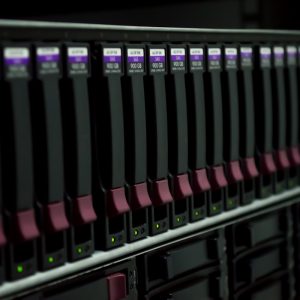
Bit of a Change Around Last week at HA Hosting we were busy moving SAN (Storage Area Network) around in preparation for a bigger push in our Online Backup services. […]
Exchange 2010 end of life
As of today (24/11/2018) our aging Exchange 2010 platform is being shut down.
All mailboxes on Exchange 2010 are being migrated to our Exchange 2016

Backup – Can It Save Your Business?
Will Data Loss Be The Downfall Of Your Business? Not having a backup strategy is never a good idea for a business. Data loss can be the cause of […]

Watertight Marketing & HA
A Watertight Idea It’s been another busy week for me here at HA Hosting. My week started with a trip to Birmingham for the first masterclass sessions with Watertight Marketing. […]